

A dental implant is one of the most effective solutions for replacing a missing tooth. Made from biocompatible materials and properly integrated into the bone, it can function for decades. However, the longevity of an implant does not depend solely on the surgical procedure or the use of premium implants, but also on how well the patient cares for their oral health after completing treatment.
A common myth is that implants do not require care because they “cannot get cavities.” While it is true that an implant cannot develop tooth decay, the supporting tissues remain vulnerable to inflammation and infections. For this reason, specialists at Imperial Dent, a dental clinic in Chișinău, place significant emphasis on maintenance protocols and post-treatment patient education.
Why implants need ongoing care
A dental implant replaces the root of a natural tooth, but it is surrounded by the gums and bone—living tissues that can be affected by oral bacteria. When dental plaque is not effectively removed, bacteria accumulate around the implant and can trigger gum inflammation.
In the early stages, peri-implant mucositis develops: a reversible condition characterized by redness and bleeding. If left untreated, it can progress to peri-implantitis, an inflammatory disease that causes progressive bone loss around the implant and can compromise the entire prosthetic restoration. Prevention is far more effective than treating complications.
Oral hygiene starts at home
The long-term success of a dental implant relies heavily on the patient’s daily routine. Proper oral hygiene involves brushing at least twice daily, using a toothpaste recommended by your dentist, and cleaning interdental spaces.
An essential role is played by dental floss or other specialized aids for cleaning difficult-to-reach areas around implants. These tools help remove food particles and bacterial plaque, lowering the risk of gum inflammation.
The dentist may also recommend interdental brushes or an oral irrigator, depending on the type of restoration and each patient’s individual anatomy.
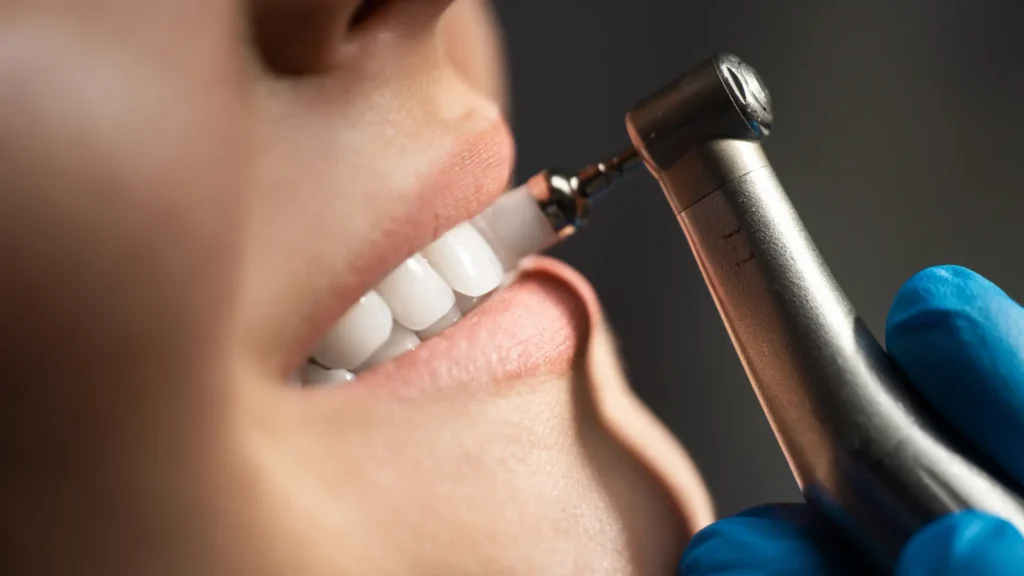
Dental scaling and professional cleaning should not be postponed
Even with meticulous home care, tartar deposits can accumulate over time. This makes regular checkups and teeth cleaning procedures indispensable.
During a dental consultation, the specialist evaluates implant stability, gingival health, and signs of inflammation. If necessary, scaling and professional polishing are performed using specialized instruments designed to protect implant surfaces. These procedures help preserve peri-implant tissues and considerably reduce the risk of peri-implantitis.
Periodontal treatment and dental implants
Patients with a history of periodontal disease have a higher risk of developing complications around implants. Consequently, periodontal treatment carried out before or after implant placement is often an integral component of the treatment plan.
Controlling gum inflammation and attending routine follow-ups enable early detection of tissue changes and allow intervention before implant stability is compromised.
In modern dentistry, implant success is evaluated not only by successful osseointegration, but also by maintaining healthy surrounding gums over the long term.
The role of routine dental checkups
Receiving a dental implant does not mark the end of your relationship with the dental team, but rather the beginning of an ongoing monitoring phase. Specialists recommend scheduling a dental consultation every six months or following an individualized plan.
During these visits, the dentist examines the gums, reviews oral hygiene levels, assesses prosthetic stability, and detects changes before they cause symptoms. Early intervention allows problems to be resolved before complex procedures become necessary.
A shared responsibility
The success of implant treatment is the result of close collaboration between clinician and patient. The dental team is responsible for performing the procedure according to current protocols, while the patient is responsible for following hygiene guidelines and attending follow-up visits.
At Imperial Dent, every patient receives personalized implant care instructions and a monitoring plan tailored to their clinical situation. This protocol reflects the clinic’s philosophy, which focuses not just on immediate procedural success, but on sustaining results over decades.
Imperial Dent – your long-term partner for smile health
In a modern dental office, implantology does not conclude once the prosthetic crown is attached. Maintenance is an essential phase, and services provided by Imperial Dent, a dental clinic in Chișinău, encompass regular monitoring, professional hygiene visits, and the guidance needed to preserve implant health.
Patients who choose this dental clinic in Botanica benefit from comprehensive dental services based on modern technology and premium implants. Adhering to the maintenance protocol and recommendations provided after dental treatment represents the most reliable investment in implant longevity and lasting oral health.