

The difference between gingivitis and periodontitis
Many people confuse gingivitis with periodontitis, assuming that both simply represent minor gum inflammation. In reality, the difference between them is significant across clinical staging, potential consequences, treatment, and recovery. Gingivitis is the initial stage of gum disease and affects only the superficial gingival tissue, without damaging the bone and periodontal structures that anchor the teeth. In contrast, periodontitis is an advanced condition that can lead to tooth mobility and the loss of entirely cavity-free, healthy teeth.
According to periodontics specialists, the primary cause of these conditions is the systematic accumulation of bacterial plaque combined with improper oral hygiene. Plaque begins to calcify into tartar in as little as 10 hours following brushing, meaning inconsistent or inadequate oral hygiene drastically increases the likelihood of calculus buildup. Without proper dental care, gingivitis can steadily progress into severe forms of periodontal disease.
Bleeding gums – the first frequently ignored warning sign
One of the most subtle signs of gum disease is bleeding during tooth brushing or flossing. Many patients consider this normal and ignore it for months or even years.
In reality, healthy gums do not bleed. Gingival inflammation indicates an active bacterial presence and the onset of gingivitis. During a dental consultation, the clinician can quickly identify the underlying cause and recommend targeted preventive and therapeutic measures.
At Imperial Dent dental clinic, periodontal screening is an integral part of routine checkups, as early detection significantly lowers the risk of irreversible structural complications.
Persistent bad breath and gum recession
Chronic halitosis often indicates more than just a temporary hygiene lapse. In many instances, persistent bad breath results from bacteria harboring deep beneath the gumline inside periodontal pockets.
Another subtle sign is gum recession. Teeth begin to look longer, and sensitivity to hot or cold temperatures becomes more pronounced. These anatomical changes occur when the supporting tissues around the root start breaking down.
Without targeted periodontal treatment, the infection continues to progress deeper into the jawbone. Periodontal specialists recommend regular visits and attentive gum health monitoring to prevent advanced tissue loss.
Tooth mobility and widening gaps between teeth
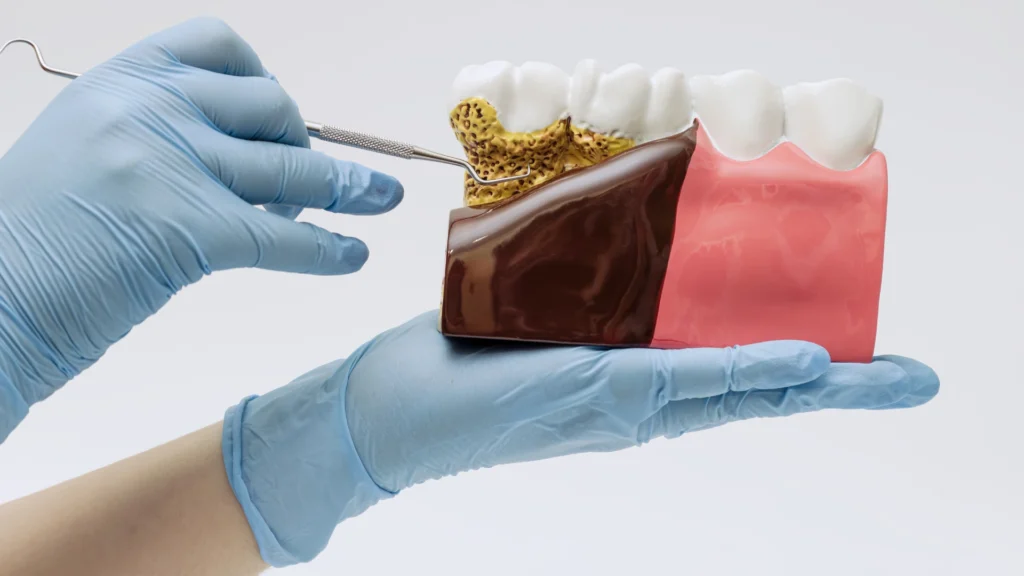
In advanced stages of periodontitis, patients may notice that teeth feel loose or that new gaps (diastemas) begin to develop between them. This shifting indicates extensive destruction of the tooth’s supporting bone and periodontal ligament.
Even if teeth have no cavities and appear structurally sound, periodontitis can lead to their progressive loss. At this stage, management becomes more complex, requiring both non-surgical deep cleanings and specialized oral surgical procedures.
In severe cases where teeth cannot be preserved, restoring oral function and aesthetics requires restorative solutions, such as a dental crown or dental implants.
The role of oral hygiene in preventing gum disease
Maintaining consistent, proper oral hygiene remains the most effective form of prevention. Brushing twice a day, flossing daily, and attending routine checkups significantly lower the incidence of both gingivitis and periodontitis.
At the same time, professional cleanings performed in a dental clinic are essential for eliminating tartar and subgingival bacteria that cannot be removed by home brushing alone.
At a modern private clinic like Imperial Dent, patients receive comprehensive dental services tailored both to treating existing inflammation and preventing future periodontal conditions.
Periodontal treatment and the importance of early intervention
The success of periodontal therapy largely depends on how early the patient presents for care. In its initial stages, gingivitis is fully reversible through professional dental prophylaxis and an improved home hygiene routine.
Periodontitis, on the other hand, demands advanced clinical protocols, including scaling and root planing (deep periodontal pocket debridement) or surgical regenerative techniques to restore lost tissues.
At Imperial Dent, each dental treatment plan is customized to the patient’s periodontal charting and systemic health profile.
Prevention begins in childhood
Specialists emphasize that gingival health should be monitored from early childhood. Oral hygiene education and routine checkups in pediatric dentistry help establish lifelong preventive habits.
A child who learns how to properly care for their teeth and gums is far less likely to develop severe periodontal issues later in life. Consequently, proactive prevention remains one of the core pillars of modern dental medicine.
Through comprehensive dental services, modern technology, and a multidisciplinary approach, Imperial Dent Dental Clinic provides patients with dependable solutions to diagnose and treat gum diseases before they cause the loss of healthy natural teeth.