


A classic dental cavity (with loss of dental tissue – effectively, a hole) does not usually appear all at once. The process begins in the enamel through the gradual loss of minerals under the action of acids produced by bacteria in dental plaque. In the early stage, the surface of the tooth can remain intact, without a cavity and without pain. It is precisely this stage that is crucial for prevention, as conservative intervention can prevent the lesion from progressing and facilitate tooth decay treatment.
How enamel demineralization occurs
Tooth enamel is one of the strongest tissues in our body, but also one of the most exposed to various factors (mechanical, chemical, thermal, etc.). Every time we consume foods or drinks containing fermentable carbohydrates, bacteria in the dental biofilm produce acids. The drop in plaque pH promotes the dissolution of minerals from the enamel. Between these episodes, saliva helps neutralize acids and supplies minerals that participate in the natural remineralization process. Dental plaque tends to calcify over time, encouraging the proliferation of harmful bacteria. The primary problem occurs when periods of demineralization become more frequent or intense than those of remineralization. Over time, an early carious lesion can develop.
The “white spot” can be the first warning sign
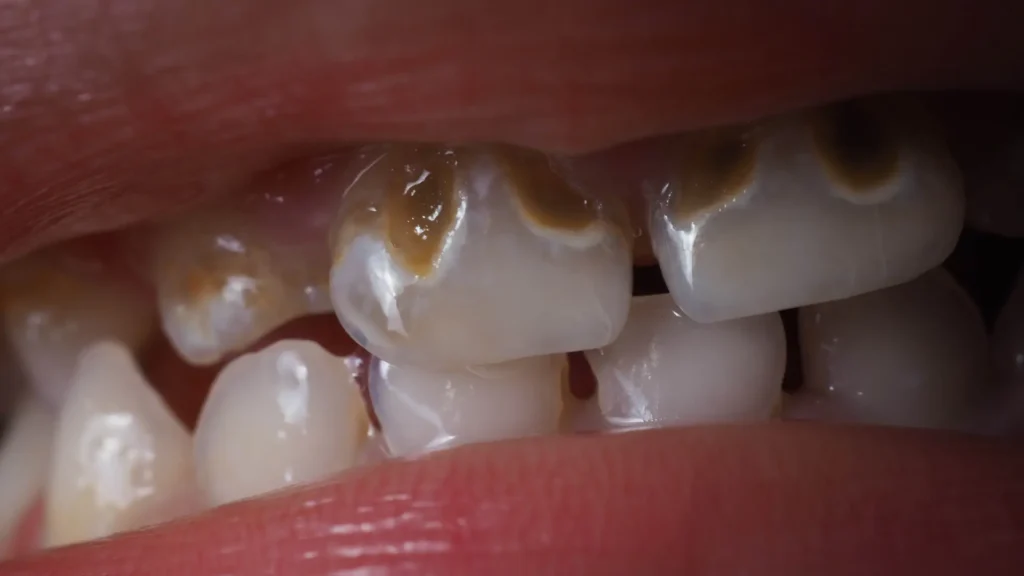
One of the characteristic manifestations of early tooth decay is an opaque white lesion, commonly called a “white spot lesion.” Enamel partially loses its translucency and can take on a chalky white appearance, especially when the tooth is dry. This appearance is associated with the loss of minerals from the enamel structure and the formation of subsurface porosities.
However, any white spot must be evaluated by a dentist. Not all white changes represent an incipient dental cavity. Fluorosis, molar-incisor hypomineralization, and other enamel developmental defects can look similar, but have different causes and approaches.
Why detection before cavity formation is important
When enamel is affected but no actual cavity exists yet, the approach can be far more conservative. The goal is not necessarily to “fill” every observed change, but rather to control the activity of the lesion and the factors that encouraged its development.
This is one of the core ideas of modern dental prophylaxis: the earlier a carious process is identified, the more options exist to avoid restorative procedures. The 2026 WHO guidelines emphasize prevention and minimally invasive interventions in caries management.
Can early decay be stopped or reversed?
For non-cavitated lesions, the remineralization process can help arrest or slow progression. Fluoride is one of the primary agents used for caries prevention and management, and systematic reviews indicate a beneficial effect of fluoride agents on remineralizing early white spot lesions.
Depending on individual risk, the dentist may recommend home-use fluoride products or in-office application of fluoridated products. Selecting the concentration and delivery form must be based on age, caries risk, and clinical presentation; patients should not apply concentrated treatments on their own.
Where professional hygiene comes into play
Good dental hygiene is essential for controlling the biofilm that contributes to the carious process. Proper tooth brushing, fluoride toothpaste, daily use of dental floss or other interdental cleaning aids—based on the dentist’s recommendations—form the foundation of home care.
When plaque and mineralized deposits are present, professional teeth cleaning can help remove them. Dental scaling removes tartar, but does not “repair” an already established carious lesion. Its purpose is to improve local factor control and support prevention.
When is cavity treatment necessary?
If the process continues and a cavity develops within the tooth structure, remineralization alone cannot restore the lost tissue. In this situation, caries treatment tailored to the depth and location of the lesion may become necessary.
In advanced cases where the infection reaches the dental pulp, treatment can become endodontic. Occasionally, this may be carried out as microscopic endodontic treatment when case complexity warrants the use of high magnification.
How do you know if the spot on your tooth is a cavity?
The most reliable approach is a dental consultation. During the clinical exam, the dentist evaluates the appearance, location, and activity of the lesion and determines whether additional investigations are needed. A modern dental office does not need to wait for pain to occur to identify an issue. On the contrary, routine checkups allow changes to be detected at a stage where a more conservative approach is possible.
Prevention does not merely mean treating a cavity before it hurts. It means identifying enamel changes as early as possible, reducing risk factors, and preserving the balance between demineralization and remineralization. When the process is caught at an early stage, the goal can be preserving natural tooth tissue for as long as possible.