

Many people associate missing teeth solely with difficulty chewing or the cosmetic impact on their smile. In reality, oral health influences the entire human body, and one of its most profound effects is on digestion. Specialists in implant dentistry emphasize that tooth loss, particularly of the molars, impairs chewing efficiency and can contribute over time to digestive complications such as gastroesophageal reflux, bloating, and poor nutrient absorption.
At Imperial Dent, every treatment plan is formulated not only to restore smile aesthetics, but also to re-establish proper masticatory function—an essential prerequisite for total systemic health.
Mastication – the first stage of digestion
Digestion begins in the oral cavity. During mastication, food is mechanically broken down and thoroughly mixed with saliva, which contains enzymes essential for the preliminary digestion of carbohydrates. The more effectively food is chewed, the less physiological strain is placed on the stomach and intestines to process it further.
When one or more molars are missing, or when the bite becomes unbalanced, patients often begin to chew superficially or exclusively on one side. Consequently, large, unrefined food boluses enter the stomach unprepared for enzymatic breakdown. This delay slows gastric emptying and frequently triggers persistent digestive discomfort.
How missing teeth impact stomach health
Numerous clinical studies demonstrate that individuals with compromised mastication face a significantly higher risk of gastrointestinal disorders. When the stomach is forced to process inadequately crushed food, gastric acid secretion increases and digestion time is prolonged.
Under these conditions, patients frequently develop symptoms such as postprandial fullness, bloating, acid reflux, or sluggish digestion. Over time, the systemic absorption of essential vitamins and minerals can become compromised because food nutrients are not released efficiently in the initial oral phase of digestion.
Restoring effective masticatory function is therefore not merely a goal of modern dentistry, but a vital clinical step in supporting long-term systemic wellness.
Dental implants – more than a cosmetic solution
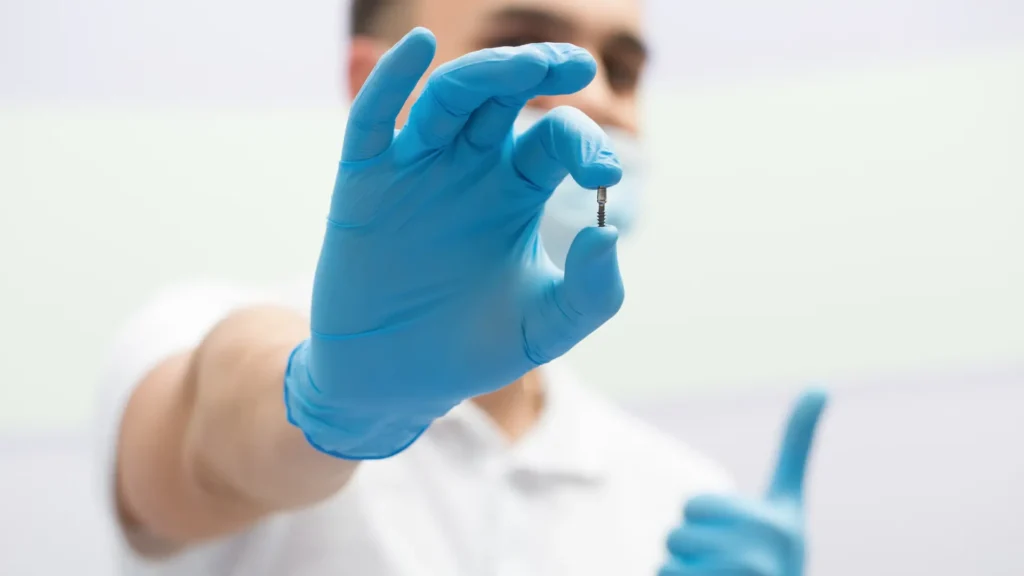
To replace missing teeth, the closest functional equivalent to a natural tooth is a dental implant. The implant fixture replaces the natural tooth root and anchors a stable prosthetic restoration capable of withstanding full chewing forces.
A high-quality dental implant, crafted from biocompatible materials and placed according to strict clinical protocols, helps evenly distribute occlusal loads while safeguarding alveolar bone from progressive resorption—a common consequence of untreated edentulism.
During a comprehensive dental consultation, the dentist evaluates whether the patient is a candidate for dental implants and recommends the optimal treatment modality based on overall dental and periodontal status.
When a Sinus Lift is necessary
In certain clinical scenarios—particularly following the long-term loss of upper molars—the available vertical bone height may be insufficient to support standard implants. In these situations, a sinus lift procedure increases bone volume, establishing the anatomical foundation required for predictable implant placement.
This surgical intervention is routine in modern implantology and paves the way for the placement of premium implants, ensuring high long-term success rates. For such critical interventions, lasting structural stability is essential.
Restorations tailored to each patient
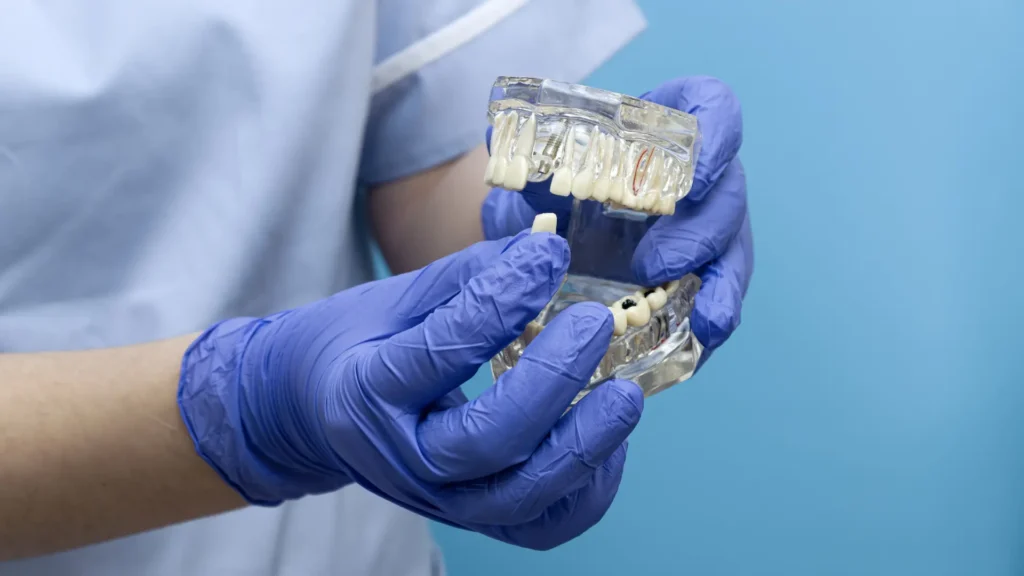
Once the implant has successfully osseointegrated, functional restoration is completed with a dental crown selected to match the patient’s functional demands and aesthetic expectations. The most common options include a zirconia crown, favored for its superior fracture resistance and load-bearing strength, and an all-ceramic crown, chosen for its natural vitality and lifelike enamel translucency.
For patients presenting with extensive or complete edentulism, the clinical protocol may involve All-on-6 implant rehabilitation—a full-arch restoration supported by six strategically placed implants.
In specific clinical situations, removable dentures or other specialized dental prostheses offer reliable restorative alternatives, particularly when surgical implant placement is contraindicated.
Investing in a dental implant is an investment in overall health
Many patients evaluate treatment solely based on the initial cost of a dental implant. However, the true value of implant therapy lies in its long-term health return.
Restoring proper chewing efficiency relieves the stomach of excessive digestive strain, supports a more diverse, nutritious diet, and elevates quality of life. Furthermore, implants prevent neighboring teeth from drifting and halt the alveolar bone loss that inevitably follows missing teeth.
Imperial Dent – comprehensive oral healthcare solutions
At Imperial Dent, every patient receives complete clinical evaluations within a modern dental practice, where diagnostic workups and surgical plans are personalized. The clinical team provides comprehensive dental services, ranging from initial preventive consultations and complex implantology to advanced prosthodontic rehabilitations.
Thanks to rigorous treatment standards and an excellent quality-to-cost ratio, an increasing number of international patients choose dental tourism in Moldova, placing their trust in this leading dental clinic in Chișinău.
A complete smile means much more than personal confidence and aesthetics. In many respects, it serves as the foundation for healthy digestion, balanced nutrition, and systemic vitality. Restoring masticatory function with modern dental implants proves that oral health and overall physical wellness are inextricably linked.