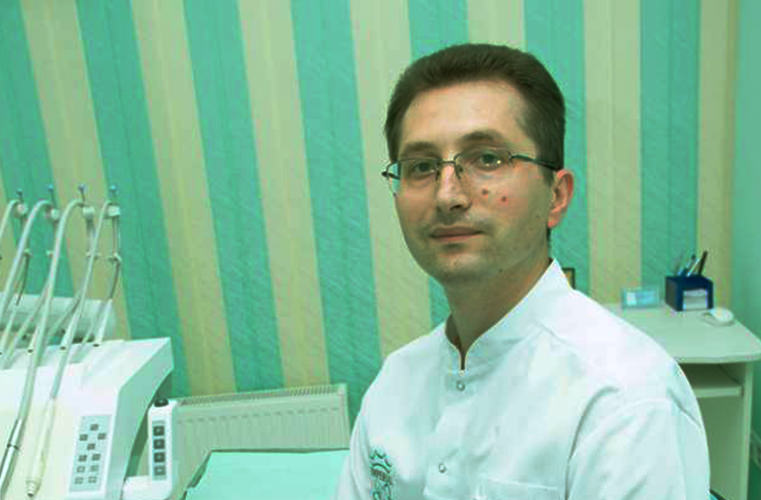


For many busy individuals—entrepreneurs, managers, and professionals with demanding schedules—postponing a visit to the dentist is rarely driven by financial cost, but rather by a lack of time. The perception still lingers that complex dental treatments require months of weekly appointments, repeated commutes, and endless hours spent in the dental office. In reality, modern dental technology has completely transformed how clinical procedures are planned and executed.
In a modern dental clinic, a patient’s time is valued just as highly as the clinical outcome. Integrated digital workflows enable rapid diagnosis, high-precision treatment planning, and a substantial reduction in the total number of visits required. Here is how advanced clinical technology makes this possible.
From initial consultation to a comprehensive treatment plan in less time
The starting point is always a thorough dental consultation conducted by an experienced dentist. In the past, gathering sufficient diagnostic data could take multiple appointments and visits across scattered imaging centers.
Today, a fully equipped private dental clinic conducts all investigations in-house. Digital dental X-rays and in-office 3D CBCT scans evaluate dental and alveolar bone anatomy with precision in minutes. This comprehensive imaging allows the doctor to map out an end-to-end treatment plan right from day one, eliminating unnecessary appointments and mid-treatment changes to the clinical strategy. Fortunately, both digital X-rays and 3D CBCT imaging are readily available on-site at Imperial Dent.
Digital scanning replaces time-consuming traditional impressions
One of the most consequential clinical advancements in modern dentistry is digital intraoral scanning. Replacing conventional alginate or silicone impressions—which were often uncomfortable, prone to material distortions, and time-consuming to cast—digital scanning captures a high-resolution, three-dimensional model of the oral cavity in seconds.
This digital workflow streamlines the fabrication of laboratory prosthetics and minimizes chairside margin errors. For patients requiring dental crowns, veneers, or full-mouth rehabilitations, the window between initial diagnostic scanning and final seating is noticeably shortened.
Furthermore, digital scanning facilitates direct, instantaneous CAD/CAM communication with the dental laboratory, accelerating restorative turnaround times.
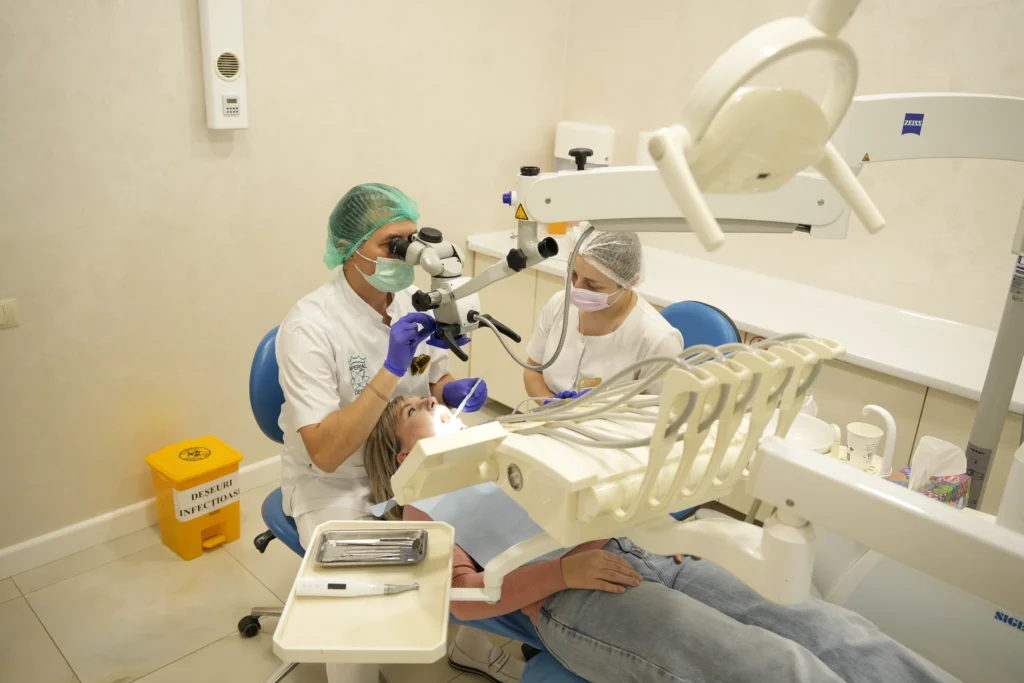
More efficient endodontic treatments using surgical microscopy
Root canal procedures once accounted for frequent, open-ended clinical appointments. Today, root canal therapy performed under high-magnification dental operating microscopes allows clinicians to locate, negotiate, and disinfect complex canal anatomy with pinpoint accuracy.
Microscopic endodontic treatment provides high optical visibility that helps preserve teeth that might once have been slated for extraction. In most clinical situations, treatment can be concluded in fewer, highly efficient visits, preserving your schedule without compromising sterility or procedural safety.
Dental implants and complex rehabilitations no longer take years
Another reason busy professionals delay scheduling appointments at the dental clinic is the belief that complete smile restoration is an endless ordeal. Contemporary oral surgery and computer-guided implantology have streamlined dental implant therapy significantly. While biological osseointegration remains essential, the combination of 3D CBCT scans and customized 3D surgical guides ensures accurate, minimally invasive fixture placement, supporting smoother healing and tissue integration.
For patients missing most or all of their teeth, the All-on-6 protocol provides an efficient immediate-function solution, reconstructing an entire arch on fewer dental implants. These advanced protocols reduce total surgical downtime and minimize intermediate visits. When placing a premium dental implant, digital guided planning delivers reliable, long-term stability and natural aesthetics.
Choosing modern materials accelerates the restorative process
When reaching the prosthodontic phase, patients often deliberate between zirconia or ceramic restorations. Both options provide lifelike aesthetics and high biocompatibility, with the selection guided by individual bite dynamics. Harnessing intraoral scanning technology alongside modern CAD/CAM milling laboratories allows monolithic zirconia and lithium disilicate crowns to be manufactured with sub-millimeter precision. For the patient, this means minimal chairside occlusal adjustments, zero re-takes, and fewer follow-up appointments.
Fewer visits, highly predictable clinical outcomes
Efficient time management in dentistry does not mean cutting corners; it means deploying advanced technology to remove redundant procedural delays. A modern private clinic invests in digital diagnostic systems that make every stage of treatment predictable and streamlined.
For patients managing demanding careers, the primary advantage is fewer visits and optimized clinical chair time. From digital scanning and in-house dental X-rays to microscopic endodontics and comprehensive All-on-6 rehabilitations, contemporary dentistry is engineered to deliver high-end clinical results without compromising your calendar.
Your time in the dental chair can be managed effectively without compromising on material quality or clinical excellence. We look forward to welcoming you to Imperial Dent for efficient, seamless, and high-precision dental care.