

The absence of teeth, especially visible front teeth, can feel like a profound loss both aesthetically and functionally. Missing anterior teeth compromises facial harmony, ages one’s appearance prematurely, and disrupts speech articulation. Functionally, difficulties arise with chewing and digestion, neighboring teeth may shift out of alignment, and supporting alveolar bone begins to resorb rapidly.
The role of dental crowns in cosmetic dentistry
A frequent reason for visiting a dental clinic, dental crowns represent one of the most widely used solutions for restoring damaged teeth or achieving a complete smile rehabilitation. The final choice does not always come down to cost alone. In the frontal aesthetic zone, selecting the proper material directly dictates both final visual appeal and long-term durability. Ultimately, the material from which a dental crown is crafted determines both the natural look and physical resilience of the restoration.
In cosmetic dentistry in Chișinău, patients frequently seek natural-looking, durable results that harmonize with their individual facial features. Both all-ceramic and zirconia crowns represent modern, high-grade options, yet each provides distinct clinical advantages depending on the individual case.
All-ceramic crowns – superior aesthetics for the frontal zone
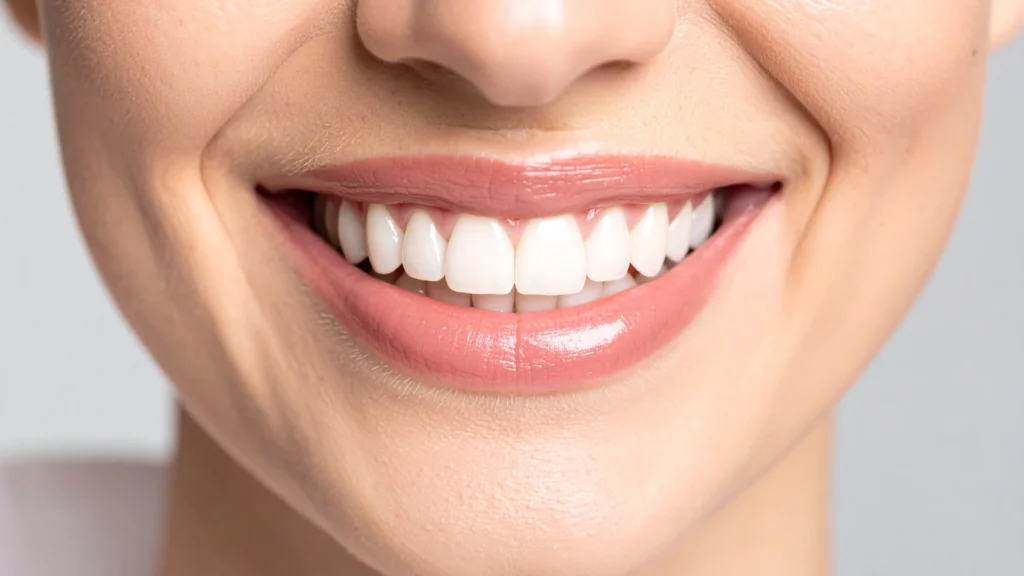
An all-ceramic crown is particularly valued for its lifelike appearance. The material delivers translucency very close to that of natural dental enamel, making it an ideal choice for front teeth.
Key advantages of ceramic crowns include:
-
excellent aesthetics closely mimicking natural tooth structure;
-
precise color matching and shade adaptation;
-
high biocompatibility with surrounding gingival tissues;
-
superior comfort for the patient.
Furthermore, ceramic restorations resist staining over time, retaining their initial shade even when exposed to pigmented foods and beverages.
From a mechanical standpoint, however, pure ceramics may exhibit lower fracture resistance compared to other dental crown types, making them more susceptible to microcracks or fractures under heavy occlusal forces. For this reason, they are primarily recommended for the anterior region, where biting pressure is comparatively moderate.
Zirconia crowns – strength and long-term durability
Zirconia crowns are milled from an exceptionally strong, biocompatible material renowned for its high fracture resistance. They are widely utilized for both anterior and posterior teeth due to their capacity to withstand substantial masticatory loads.
The primary advantage of zirconia lies in the durability of dental crowns. Clinical studies indicate that zirconia restorations demonstrate structural survival and wear resistance comparable to metal-based options over a period of at least five years.
Key benefits include:
-
remarkable resistance to wear and fracture;
-
outstanding biological compatibility;
-
long clinical service life;
-
suitability for complex rehabilitations or implant-supported prosthetics.
Another valuable clinical advantage is that zirconia often requires less tooth reduction during preparation compared to traditional alternatives. As a relative limitation, monolithic zirconia crowns can exhibit slightly lower optical translucency than pure glass-ceramics, which can make them slightly less ideal in high-demand anterior aesthetic cases where maximum lifelike depth is paramount.
Zirconia or ceramic for front teeth?
Choosing between zirconia and ceramic depends on multiple factors: tooth position, functional bite loads, aesthetic expectations, and the volume of remaining natural tooth structure.
For patients whose top priority is ultimate optical fidelity, the ceramic crown remains an outstanding choice thanks to its enamel-like light transmission and natural finish. Conversely, in situations requiring higher structural strength, bruxism management, or extended bridge spans, zirconia represents a more secure functional choice.
In many restorative scenarios, clinicians combine the benefits of both materials—such as layered zirconia with aesthetic ceramic veneering—tailoring the approach to the individual patient. During a comprehensive dental consultation, the clinician evaluates these parameters to establish the optimal treatment strategy.
Implant-supported crowns – aesthetics and functionality
For patients missing one or more teeth, modern restorative solutions include a dental implant with fast aesthetic restoration, completed with precisely adapted crowns. Both zirconia and ceramic are routinely utilized for implant restorations, delivering balanced cosmetic outcomes alongside complete chewing functionality.
Why choose Imperial Dent for cosmetic dentistry in Chișinău?
At a modern dental clinic like Imperial Dent, patients benefit from state-of-the-art clinical technologies and an experienced team specializing in aesthetic dentistry in Chișinău.
Every clinical case is evaluated comprehensively, with recommendations grounded in:
-
precise and comprehensive digital diagnosis;
-
certified, medical-grade materials;
-
clinical expertise in aesthetic and functional restorations;
-
harmonious integration of restorations with the patient’s facial profile.
Imperial Dent provides customized solutions across all types of dental crowns, prioritizing a balance between natural beauty, functional stability, and long-term durability. Patients receive an integrated treatment experience—from the initial consultation to final cementation—in an advanced, fully equipped clinic.
Choosing correctly between zirconia and ceramic is not merely a cosmetic decision, but a lasting investment in oral health and smile harmony, where the guidance of an experienced dental team makes all the difference.